Home / Aesthetics
Aesthetic care in Tucson, AZ for people considering treatment for fine lines, skin texture concerns, or thinning hair.
At Tricom Health and Wellness, we offer neurotoxin treatments, microchanneling, and platelet-rich plasma (PRP) for skin and hair. Meet with nurse practitioner Cynthia Diaz, FNP-C, to discuss your concerns and whether these treatments are appropriate for you.

Lines & Wrinkles
Visible lines you’ve noticed in your skin.
Skin Texture
Roughness, uneven texture, or visible pores that concern you.
Acne Scars
Lingering marks or uneven areas left by past breakouts.
Thinning Hair
Changes in hair fullness or a widening part you’d like to have assessed.
Neurotoxins, microchanneling, and PRP serve different purposes. Choosing between them starts with what you’d like to address, such as expression lines, acne scars, uneven skin texture, or areas of thinning hair.
Before treatment, we assess your skin or hair and review your health history and medications. We explain which options may be appropriate, what results are realistic, and what recovery or follow-up involves. If a treatment isn’t a good fit, we’ll explain why.
Have questions before booking? Call (520) 955-6690
Explore the treatments available at our office and learn which concerns each one may help address.
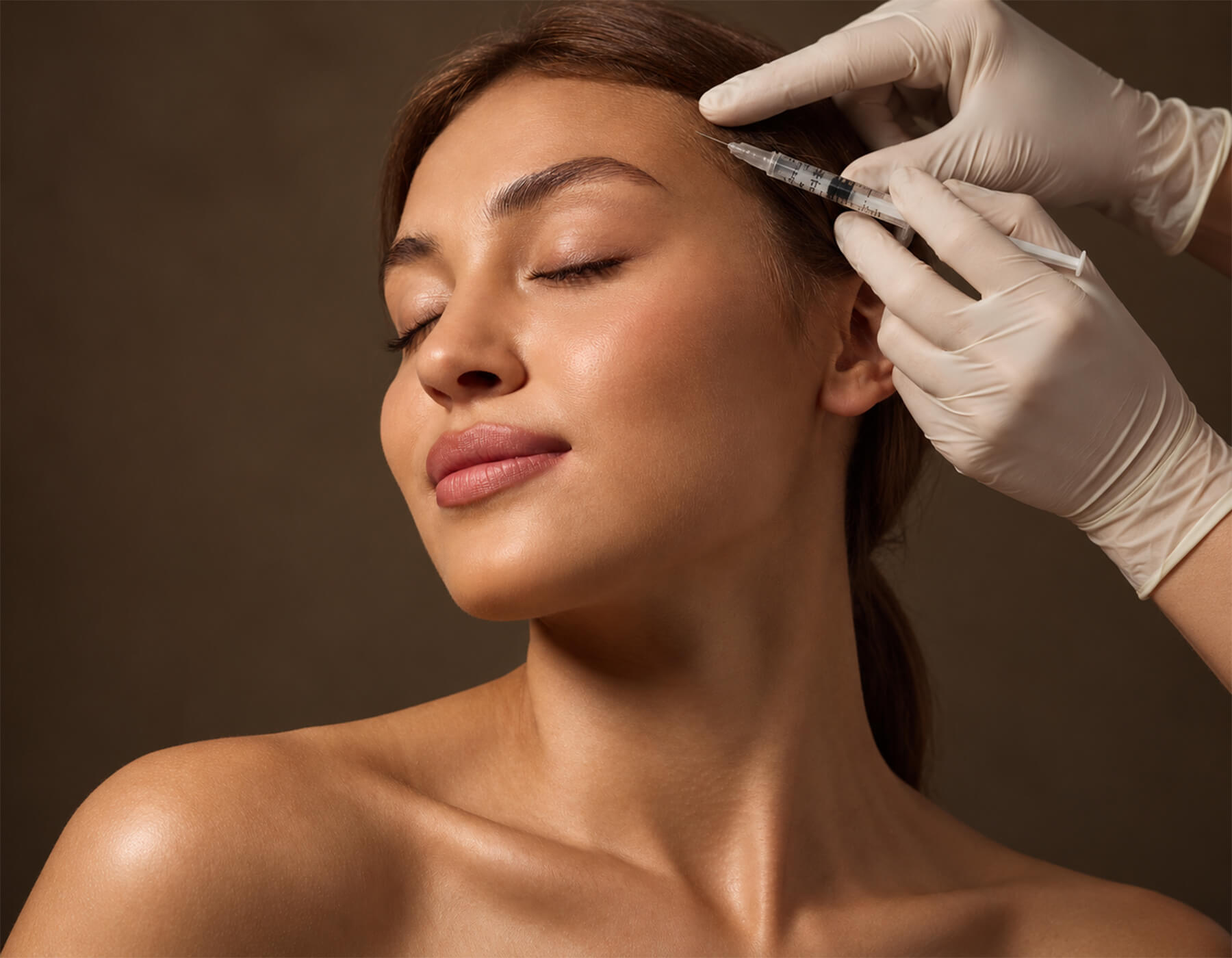
Wrinkle relaxers that temporarily relax targeted facial muscles to soften expression lines.
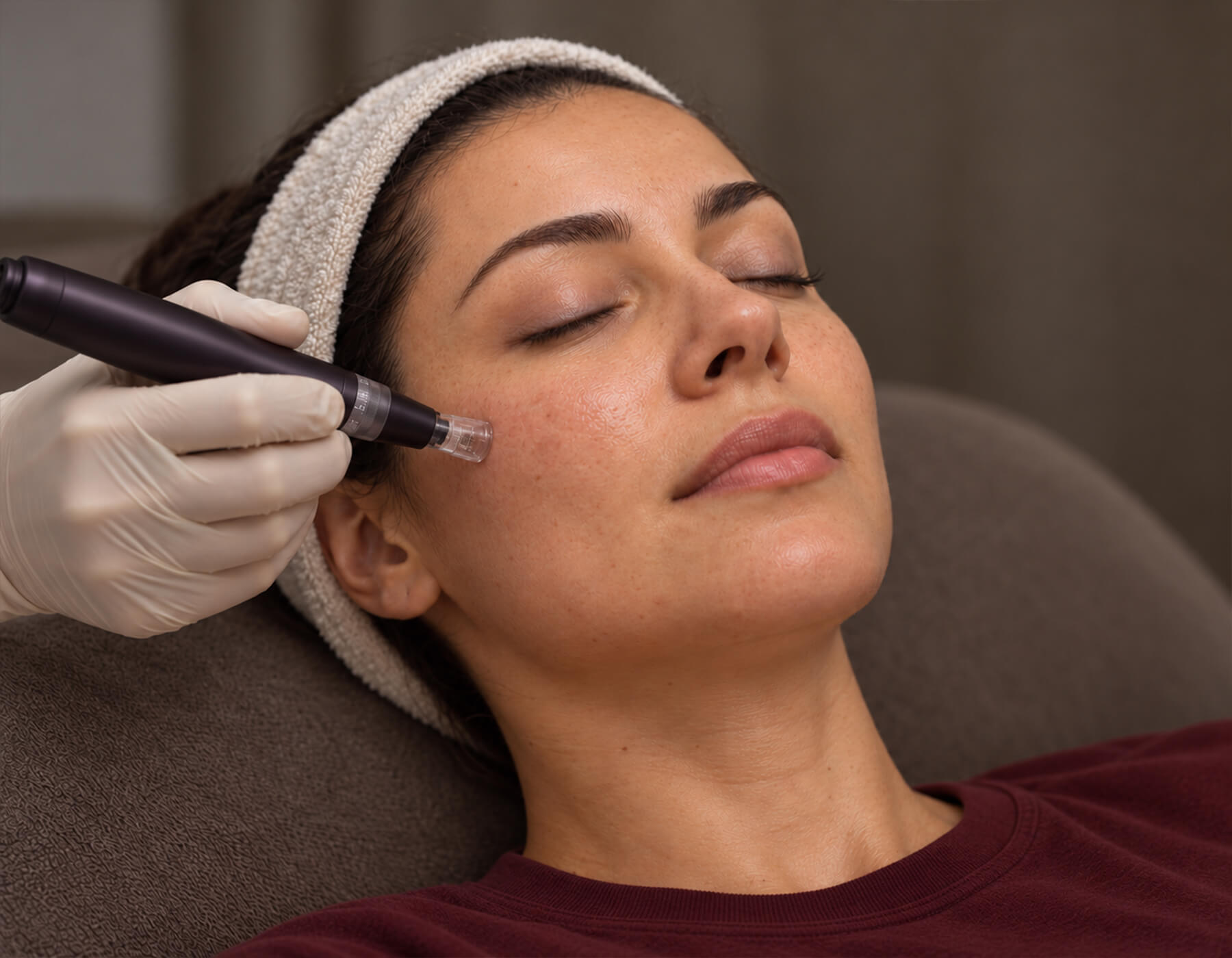
A gentle treatment that creates tiny channels in the skin to encourage collagen and help serums absorb, for texture, tone and fine lines.

Platelet-rich plasma prepared from your own blood, offered for skin concerns and certain types of hair thinning.
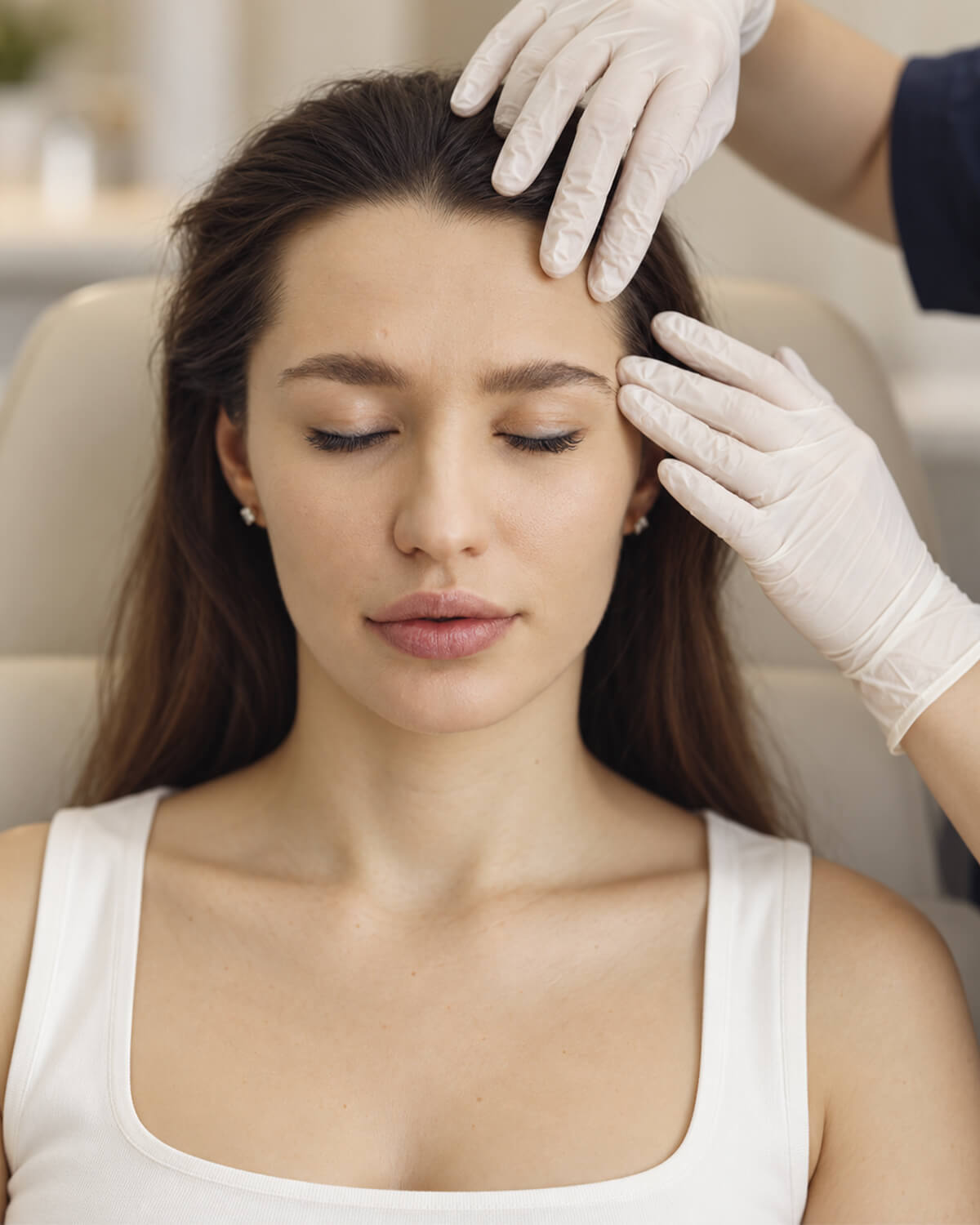
Smooth
Neurotoxin treatments, often called wrinkle relaxers, are small injections that temporarily relax the muscles behind lines from frowning, squinting or raising your eyebrows. Most people see results within 3 to 7 days, and they usually last about 3 to 4 months.
Not every area is suitable for every patient. We’ll discuss your options before treatment.
Your appointment
Before treatment, we discuss your goals and assess the areas you’d like to address. Then we’ll treat the areas we agreed on with a few small injections. Afterward, avoid rubbing the area and skip hard workouts for two hours.
Good to know
Some redness, swelling, soreness, or bruising can happen after injections. These effects usually settle with time. Less common side effects include a headache or a temporarily droopy brow or eyelid.
American Academy of Dermatology
A medical approach to aesthetics. Every treatment is given by Cynthia Diaz, FNP-C, in our Tucson office, using products from licensed suppliers.
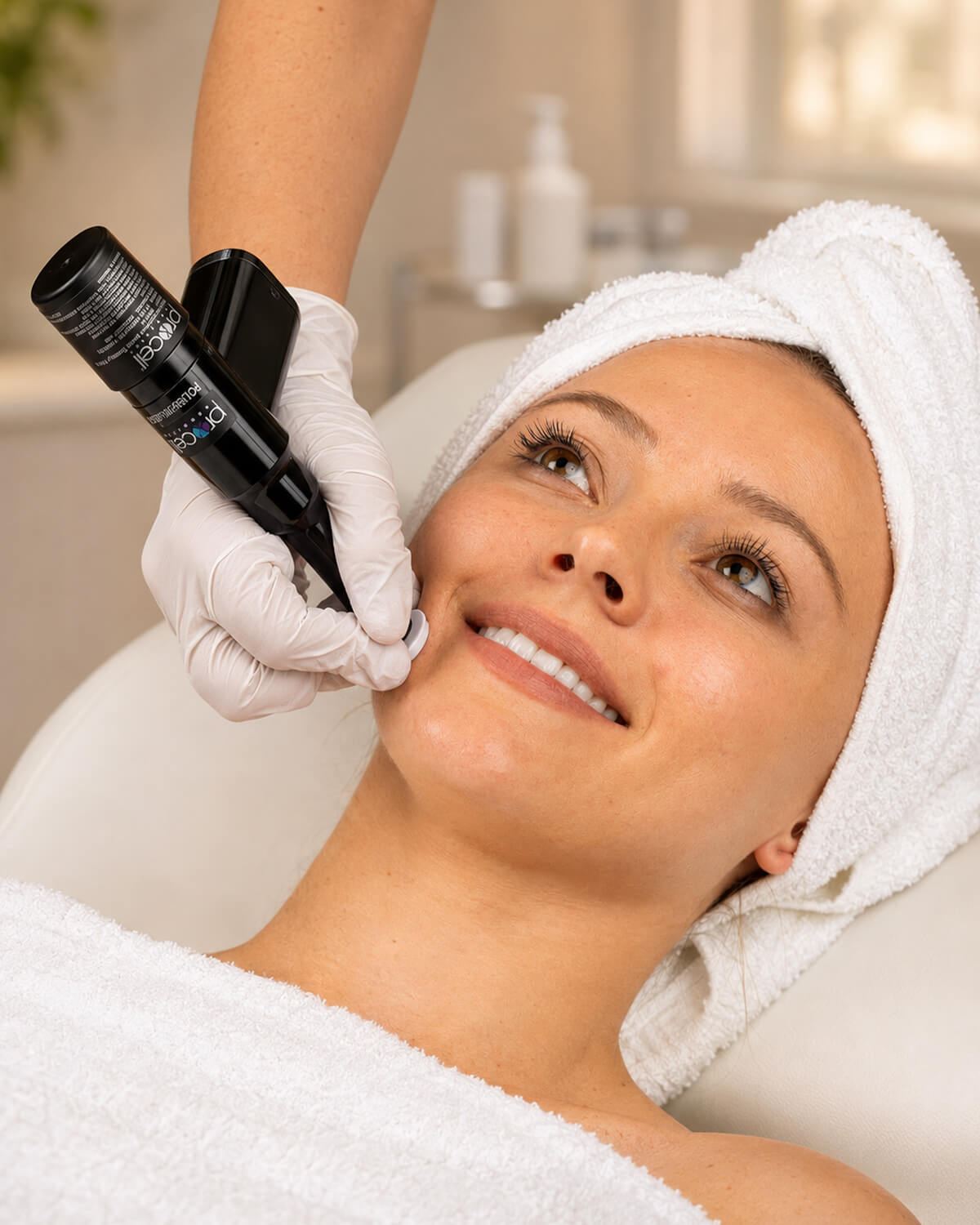
Renew
Microchanneling is a gentler form of microneedling. Very fine, shallow needles are pressed into the skin to make tiny channels, which help a serum absorb and prompt the skin’s natural repair. Any improvement builds gradually, over several visits.
These are common reasons people choose microchanneling. How much it helps varies from person to person.
Your appointment
We start by looking at your skin and asking about recent sun, skin conditions and medications. Your skin is cleansed, the device is pressed gently over the areas we agreed on, and a serum chosen for your skin is applied during treatment. Redness, like a mild sunburn, usually fades within a day or two, and you’ll wait 24 hours before wearing makeup.
What the research says
Microchanneling is a form of microneedling. Studies of microneedling for facial aging report high satisfaction and few side effects, and almost all of them use a series of sessions rather than just one.
Aesthetic Plastic Surgery, 2025
Microchanneling with PRP. Microchanneling can be combined with platelet-rich plasma from your own blood, applied to the skin during treatment. See PRP
Restore
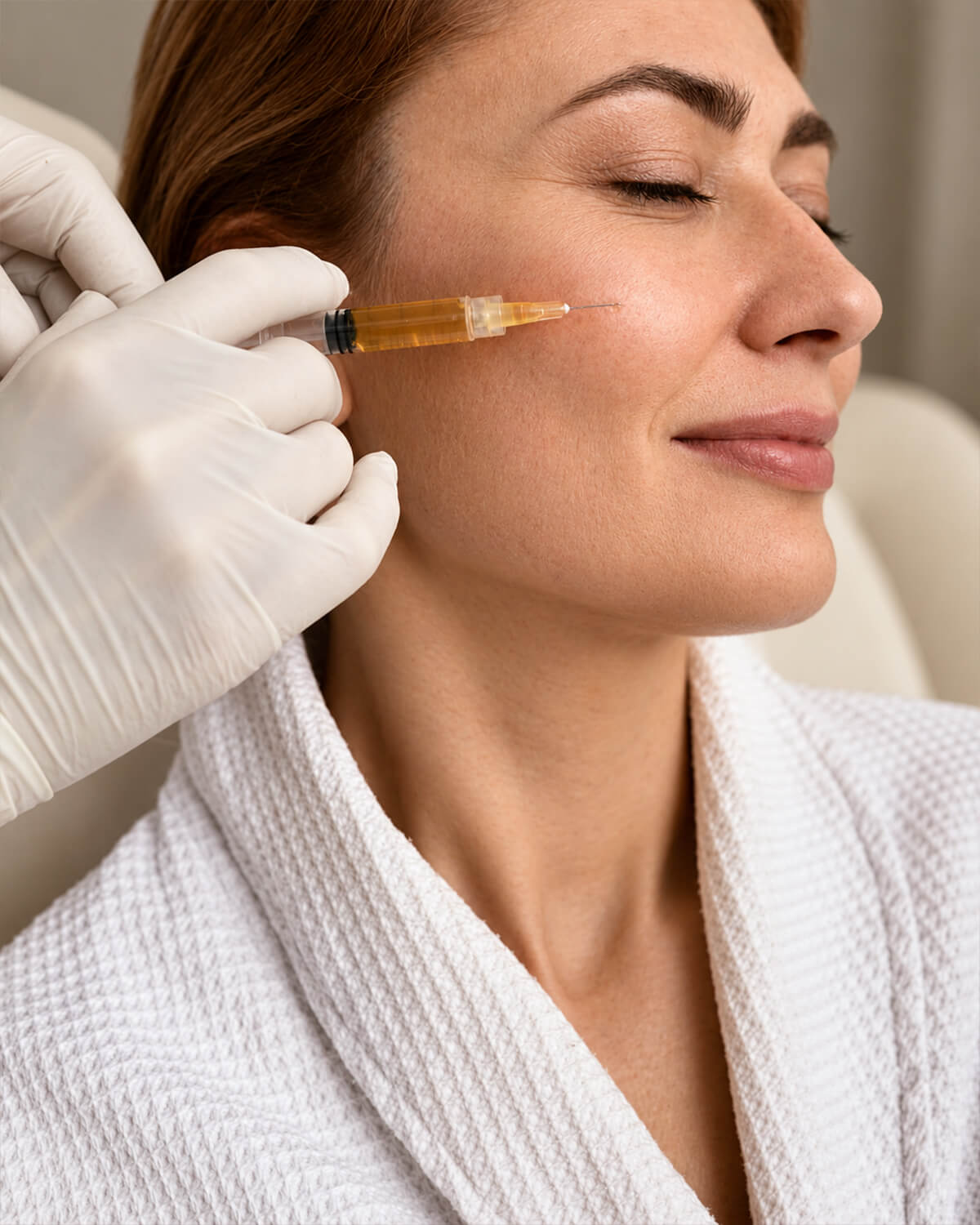
Platelet-rich plasma (PRP) is made from your own blood. A small sample is drawn from your arm and spun to concentrate the platelets, which are then used in one of three ways.
With microchanneling, for skin
Applied during a microchanneling treatment, often for acne scars and texture.
Injected, for skin
Injected into the areas of the face we agree on at your visit.
Injected into the scalp, for hair
For thinning hair. Treatments are repeated, with maintenance visits to keep results.
Your appointment
We start with your goals, health history and medications. Then a small blood draw, and the PRP is prepared and applied or injected. Soreness, bruising or swelling may last a few days.
What the research says
Research on PRP is still developing. It shows promise for some types of hair loss, and for acne scars when combined with needling treatments like microchanneling, but results vary and the best number of treatments isn't settled.
American Academy of Dermatology
It isn’t right for everyone. PRP isn’t recommended for people with hepatitis C, HIV, a blood cancer, heart disease that needs a blood thinner, or skin cancer in the area being treated.
What most people want to know before their first treatment. Still wondering about something? Just ask.
Not sure which treatment fits?
Give us a call and we’ll help you find the right fit before you book.
With Jeuveau, many people start to notice results in 2 to 3 days, often a day or so sooner than Botox. Full results usually show at about 2 weeks. We ask you to wait the full two weeks before judging your results or asking for a touch-up.
Jeuveau and Botox are both botulinum toxin type A and work the same way. In clinical trials, Jeuveau smoothed frown lines about as well as Botox. The main difference most people notice is that Jeuveau can kick in a little faster. Dosing is similar, so switching from Botox is usually simple.
Results usually last 3 to 4 months, and some people see them longer. How long yours last depends on the area treated, your muscle strength and your metabolism. Most people come back every 3 to 4 months to keep their results.
Both create tiny channels in the skin to encourage collagen. Microchanneling uses needles at a fixed, shallow depth, so it’s gentler and usually has less downtime. Microneedling can go deeper and is often chosen for more noticeable scarring. Microchanneling is a good fit if you want smoother, brighter skin without much recovery time.
Most people find microchanneling very tolerable. We can apply a numbing cream first if needed, and many people describe the feeling as light pressure or mild prickling. Afterward, your skin may feel warm or slightly tight, a lot like a mild sunburn.
Many people do a series of 3 to 6 treatments, about 4 to 6 weeks apart. After that, a maintenance session every few months can help keep your results. We’ll suggest a plan based on your skin and goals.
PRP (platelet-rich plasma) is a treatment made from your own blood. We draw a small sample, spin it in a centrifuge to concentrate the platelets, and then apply or inject it where it’s needed. Platelets are rich in growth factors that help support healing, collagen production and hair growth.
PRP works best for early to moderate hair thinning, especially pattern hair loss in both men and women. It can help strengthen existing follicles and improve hair density, but it can’t regrow hair where follicles are no longer active. Most people need 3 monthly sessions, then maintenance every 4 to 6 months, and results usually show after 3 to 6 months.
PRP is considered very safe because it’s made from your own blood, so allergic reactions are very unlikely. The most common side effects are mild soreness, redness, swelling or bruising where it was applied, and these usually fade within a few days. PRP isn’t right for everyone, including people with certain blood disorders, active infections or some medical conditions, so we review your health history first.
Let’s discuss your concerns and what you’re hoping to achieve. Book a consultation online, or call us for help scheduling.